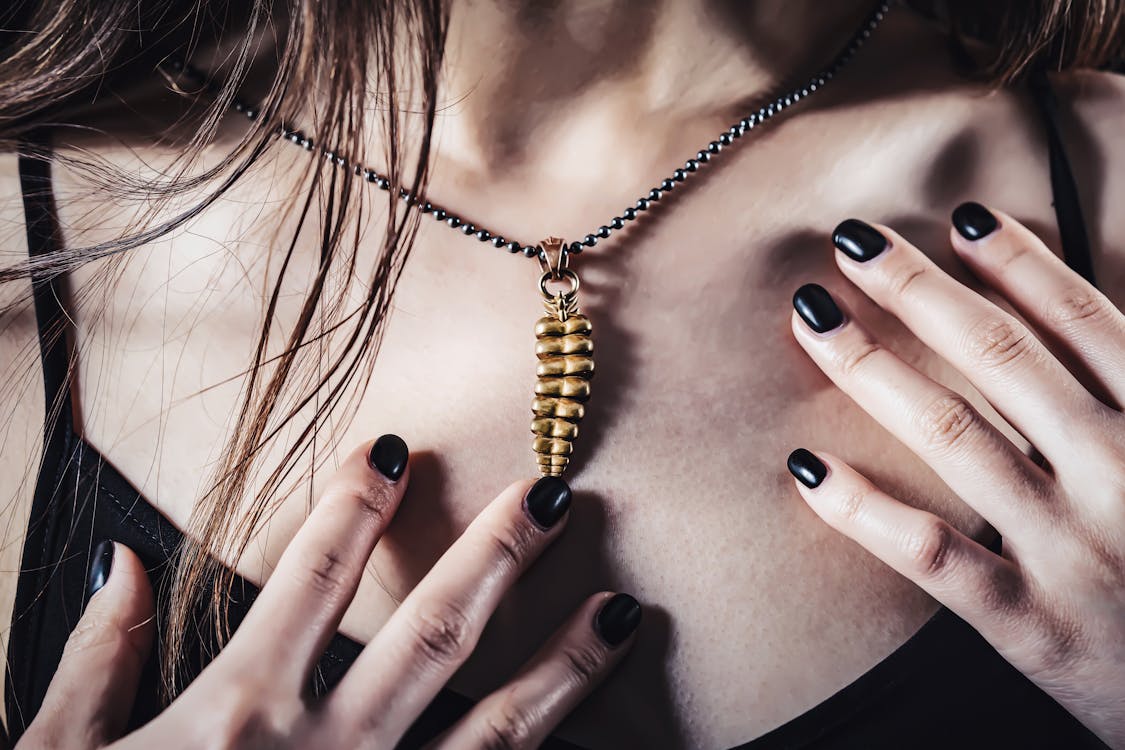
A diamond pendant has a quiet charm that few jewelry pieces can match. It adds a touch of sparkle without overwhelming an outfit and works beautifully for both casual and formal occasions. Unlike statement necklaces, a thoughtfully chosen pendant can become part of someone’s everyday style.
The growing popularity of lab diamonds pendants has also introduced more choices for jewelry buyers. These pieces combine the familiar beauty of diamonds with modern production methods, often at a lower price than comparable mined stones. From delicate solitaire designs to personalized necklaces, there is something for nearly every preference.
Table of Contents
Why Lab-Grown Diamonds Are Gaining Attention
Lab-grown diamonds are created in controlled environments using advanced technology that reproduces the conditions needed for diamond formation. The two main production methods are High Pressure High Temperature (HPHT) and Chemical Vapor Deposition (CVD).
Both methods produce genuine diamonds with the same chemical composition and crystal structure as natural diamonds. They also share the same hardness of 10 on the Mohs scale, making them suitable for jewelry worn regularly.
One reason buyers consider lab made diamonds is their affordability compared with mined alternatives of similar quality. This price difference can allow shoppers to choose a larger center stone or invest in a higher-quality setting without exceeding their budget.
Pendant Styles Worth Considering
Diamond pendants come in several designs, each offering a different appearance and level of versatility.
Solitaire Pendants
A solitaire pendant features a single diamond, usually held in a prong or bezel setting. Its simple design allows the stone to remain the main attraction.
Round brilliant diamonds are popular for their sparkle, while oval and pear shapes offer a more distinctive silhouette. A solitaire necklace pairs naturally with office clothing, evening dresses, and everyday outfits.
Halo and Cluster Designs
Halo pendants surround a center diamond with smaller stones, creating a fuller appearance. This setting can make the central diamond appear larger while adding extra brilliance.
Cluster pendants arrange several smaller diamonds into shapes such as flowers, stars, or geometric patterns. They offer visual interest without requiring one large gemstone.
Personalized Pendants
Initials, birthstones, and meaningful symbols give diamond necklaces a personal touch. Some designs incorporate a small diamond into a letter or symbolic shape.
These pendants are especially popular for birthdays, anniversaries, and graduation gifts because they connect the jewelry to a specific memory.
Choosing the Right Diamond Quality
The traditional four Cs remain useful when evaluating lab-grown diamonds: cut, color, clarity, and carat weight.
Cut has a significant influence on how effectively a diamond reflects light. A well-cut stone can appear brighter than a larger diamond with weaker proportions.
Color and clarity also affect appearance, although the differences between neighboring grades may be difficult to notice without magnification. For many pendant designs, a near-colorless diamond with minor inclusions offers an attractive balance between appearance and cost.
Carat weight measures a diamond’s mass rather than its visible size. Comparing actual dimensions can help buyers understand how different shapes will look when worn.
For additional confidence, consider diamonds accompanied by grading reports from recognized laboratories such as the Gemological Institute of America (GIA) or International Gemological Institute (IGI).
Metal Choices and Their Effect on Appearance
The metal surrounding a diamond influences both the necklace’s appearance and its maintenance needs.
Yellow gold creates a warm, traditional contrast against a bright diamond. White gold provides a cooler appearance, while rose gold offers a softer, slightly pink tone.
Platinum is another option, valued for its durability and naturally white color. However, it generally costs more than common gold settings.
For everyday jewelry, 14-karat gold offers a practical combination of durability and gold content. Buyers should also check the chain’s thickness, clasp quality, and overall construction before purchasing.
Finding a Comfortable Pendant Length
Necklace length can change how a pendant complements an outfit. A 16-inch chain generally sits near the base of the neck, while an 18-inch chain typically falls around the collarbone.
Longer chains, such as 20 or 22 inches, create a more relaxed appearance and work well with higher necklines.
An adjustable chain provides additional flexibility, particularly when layering necklaces. Pendant weight also matters because heavier designs may require stronger chains for comfortable daily wear.
Caring for Your Diamond Pendant
Regular cleaning helps maintain a diamond’s sparkle. Warm water, mild dish soap, and a soft brush can remove everyday residue from most uncomplicated diamond settings.
Avoid harsh chemicals, and inspect prongs periodically for looseness. Professional cleaning and setting checks can help identify problems before a stone becomes insecure.
Store necklaces separately to reduce tangling and prevent scratches between jewelry pieces.
A Thoughtful Addition to Any Jewelry Collection
Choosing among lab diamonds pendants involves more than selecting the largest stone available. Diamond proportions, setting security, chain comfort, and personal style all influence long-term satisfaction.
For shoppers considering lab made diamonds, comparing grading reports, return policies, and craftsmanship is a sensible final step. A carefully selected pendant can remain attractive and comfortable for years, making thoughtful details more valuable than temporary jewelry trends.