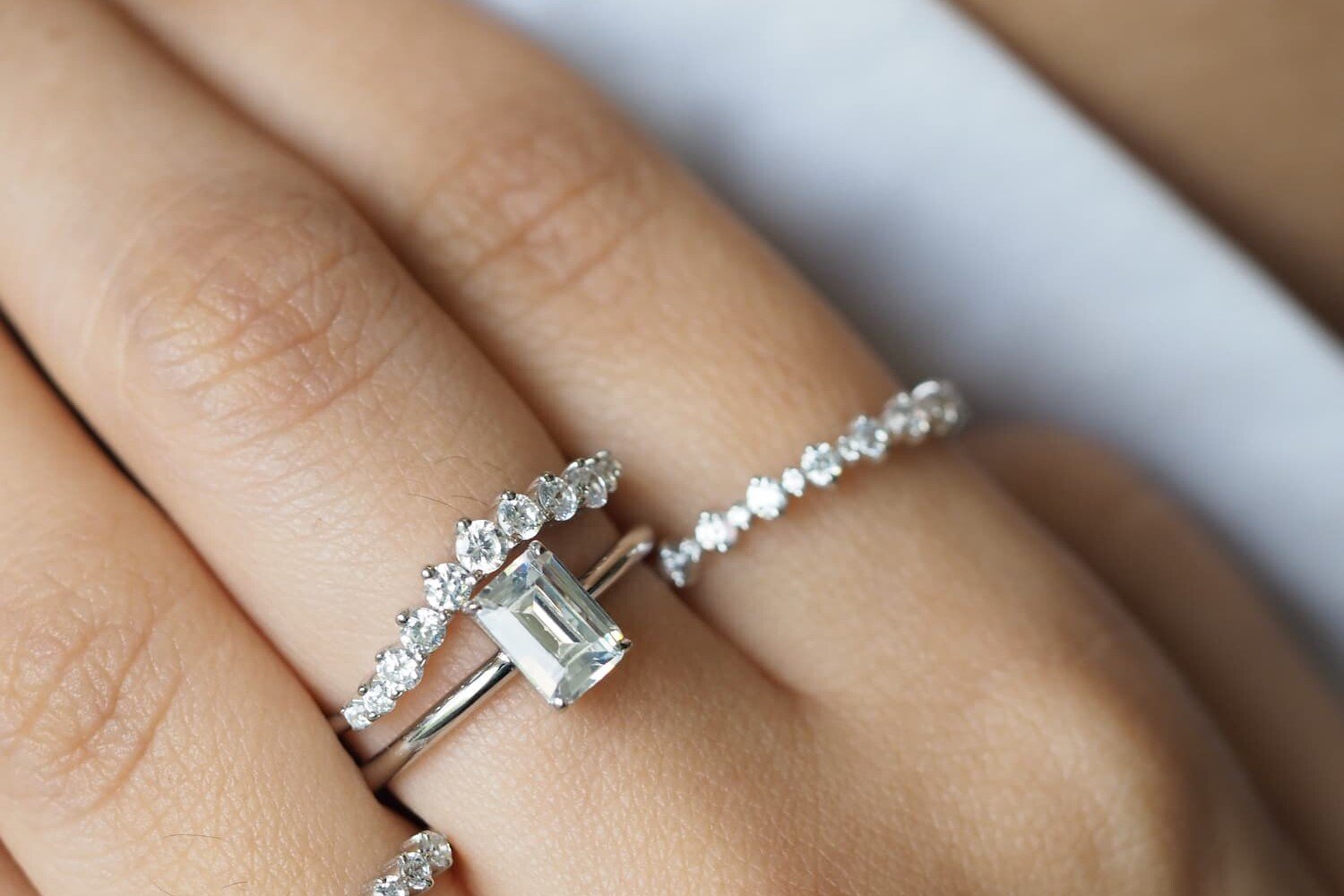
Fresh off the curb, picking a diamond meant just one thing. Into a shop you’d go, eyes on mined rocks, weighing cost against savings, settling on what felt right. Now? The game shifted. Choices pile up. Knowledge spreads wide. Lab created gems are showing up more often now. When shopping for an engagement ring or other diamond pieces, it helps to know where these stones come from compared to mined ones. What matters most? A nice look, solid durability, and staying within what you can spend. Inside here, find out the process behind their creation, what sets them apart, and whether one might suit your needs just fine.
Table of Contents
What These Diamonds Really Are
A single crystal shape makes a diamond what it happens to be – location doesn’t matter. Deep beneath the surface, natural ones take ages to form when extreme heat meets crushing weight. Researchers figured out a way to copy that intense setting, but indoors. Inside labs, machines imitate Earth’s hidden power to make them grow faster. These aren’t fakes. Identical atoms link up just like underground, equally tough, shining the same way. Origin tells them apart. Underground, one begins its journey. Inside labs, the other takes shape. To most eyes, they look identical. Trained experts might still reach for devices to know for sure. When worn daily – say, on a finger – they act just alike.
How Stones Form
One way makers produce things is through assembly lines. Another path they take involves custom crafting each piece separately.
High Pressure High Temperature
Deep beneath the surface, nature builds diamonds slowly. Pressure mounts. Heat rises. A carbon seed waits. Layers stick one at a time. Time passes without hurry. Machines guide the setting. Still, physics works just like underground. Atoms align the way they do in Earth’s mantle. Growth happens grain by grain.
Chemical Vapor Deposition
Inside a sealed space, carbon heavy vapor is used to form diamonds. As the gas splits apart, its carbon pieces land on a tiny starter diamond. Layer by layer, it grows bit by bit. Though made differently, the result matches natural ones atom by atom. From start to finish, each stone takes weeks under steady conditions.
Many buyers are thinking about them
Some folks go for lab made diamonds since they tackle real shopping issues. Cost stands out first. Usually these gems run cheaper than natural ones just like them. This gap means picking something bigger or better without spending more. Knowing where it comes from matters too. From the very start, you can trace where that stone came from. How people moved it around shows up clearly too. Buyers tend to spot benefits right away – things like fewer surprises later on. Clear origins make a difference without needing extra explanation.
- Lower cost for the same carat size
- Folks find it just about anywhere these days, shaped however you’d like
- Clear production trace
- Fewer supply chain complications
A person on a strict budget could get a 0.8 engagement rings spain. With that same amount, picking a lab made gem might mean walking away with a 1.2 carat piece. That extra size can be meaningful – especially when two people are deciding together.
How Quality Gets Judged Today
Starting elsewhere doesn’t change how they’re graded – same rules as real diamonds apply. What matters most? Jewelers look at four main things every time.
Cut
A diamond’s ability to bounce back light depends on its shape. When shaped just right, it shines brighter, glowing more intensely.
Color
Faint yellow hints appear in some diamonds, while others stay nearly clear. Closer to pure transparency means a better rating.
Clarity
Floating within the stone, tiny marks tell how clear it is. The less crowded it looks inside, the more it tends to be worth.
Carat
A single carat measures how heavy a stone is, not just its visible dimensions. Bigger gems usually come with higher price tags. Look over an evaluation from a known lab while choosing one. This document verifies key traits, making it easier to judge options side by side.
Price Differences Explained
First off, prices can catch new shoppers off guard. Since natural diamonds need to be pulled from the ground, they go through several stages before reaching stores. One step leads to another – sorting, shipping, moving across borders. With each move, expenses pile up. But lab-made stones skip most of that journey. Because the process is shorter, the tag at the end comes in lower. Price gaps shift based on what buyers want, also how a label shapes its image. Certain jewel makers charge more for identical gems due to logo weight or cut style. Always match rocks using equal traits. Sample test: Earth-grown diamond one carat, VS1 purity, G tint Lab-made diamond one carat, VS1 purity, G shade Spotting contrast takes expert tools, nearly invisible otherwise.
How They Relate to Engagement Ring Purchases
A ring meant for engagement might be someone’s first big buy in jewelry. Feelings mix with careful thought when deciding. Tradition matters to some pairs, so they pick natural diamonds. Different duos go for newer alternatives because those help save money. When it comes to engagement rings, Spanish shops notice different tastes popping up. While some shoppers care deeply about history and uniqueness, others look first at how big it looks or how bold the stone appears. It might help to reflect on your own priorities instead of guessing trends. Questions like these tend to clarify things fast.
- What matters most to you – how big it is or where it comes from?
- Matters more than you might think – how long do most people keep their cars anyway?
- Looking for a particular cut of diamond, maybe how it sits in the ring? Might be round, could be square – what feels right when you picture it?
Hold off – what you say shapes the path ahead. Whatever comes up steers where things go next.
What to Look For Before You Buy
Whichever kind of diamond you look at, sharp shoppers stick to basic moves. A grading report should come first – this paper shows what the gem really holds. Next up, check how the facets meet; light play rides on that detail. Look at the return rules first. That way, you are covered if the gem seems different when you see it live. Next, take time to check multiple choices before settling on one. Say you find two gems with identical carat size. The cheaper one might have a weak cut instead. A different stone costs a bit extra but shines where the low-priced option fades. True value shows up when you stop counting digits.
Common Misunderstandings
Hesitation creeps in when shoppers stumble on mixed messages. Over and over, the same tales pop up. First tale? These stones aren’t real. Truth is, they’re made of pure carbon just like mined ones. Second myth claims they won’t hold up. Truth is lab grown diamonds resist scratching just like earth-mined ones. Third idea says they appear distinct. In fact, eyes usually cannot tell them apart. Seeing past these notions lets clarity guide your choice.
Long Term Considerations
Picking a diamond? Future value matters. Over years, natural diamonds kept worth on secondhand markets. Not so much for lab made ones – factories can make more whenever needed. Still, none of that changes how it looks on your hand today. Later sale plans decide its importance. Rings often mean something private instead of serving profit goals. Should you see it as a keepsake, then market worth takes a back seat. What feels correct ties directly to your own mindset about buying it.
Simple Buying Strategy
Start here if clarity matters. Move step by step through the steps listed below. One after another, they build direction. Each part follows the last without skipping ahead. This path works when confusion needs to stop. Take it slow, but keep going forward.
- Start by deciding how much you can spend overall
- Pick how you want the ring designed
- Choose a range of diamond sizes
- Compare natural and lab created options
- Check certification and cut quality
Beauty matters when picking a stone. Yet value plays just as big a role. Decisions grounded in logic tend to last longer than those fueled by feeling.
FAQ
Are lab grown diamonds real diamonds?
Fine. Identical build, identical toughness – just like the real thing pulled from deep below. Only twist? These come from lab benches, not rock layers under Earth.
Shine just like real ones, those lab stones?
A good cut makes all the difference when it comes to sparkle – where the gem came from matters less. Light bounces vividly off any precisely shaped stone, regardless of how it was made. Whether dug up or grown in a lab, precision brings out the shine.
Could these work when picking a ring to mark an engagement?
A bigger or better diamond might fit your budget this way. What matters most to you will shape the choice.