Table of Contents
More buyers pick lab grown diamonds
Shiny rocks still top the list when folks go loose lab grown diamonds. Not everything stays the same though – how those sparklers come into being, where they’re bought, that part shifted. Some shoppers now skip digging deep underground, turning instead toward options that dazzle just as much and feel identical on the finger. Created in labs, these stones act like natural ones down to the last detail, drawing interest from those who’d rather avoid sky-high costs tied to earth-sourced versions. Out in labs, these stones grow under careful conditions, mimicking how diamonds form deep underground. Identical in makeup and shine to earth-mined gems, they stand just as strong. Many shoppers care about one thing above all: a clear gem backed by honest details and fair cost. That clarity only comes from knowing how the trade really works.
Lab Grown Diamonds Are Real Because They Share the Same Chemical Structure as Mined Diamonds?
Most folks think diamonds made in labs aren’t genuine stones. Truth is, they’re actual diamonds through and through. What makes a diamond a diamond? Its arrangement of carbon atoms in a crystal form. It doesn’t matter if it grows deep beneath Earth across eons or builds up in a chamber within days – the outcome matches at the core. Experts at gem labs apply identical checks for natural and grown diamonds alike. Their analysis looks closely at:
- Cut
- Color
- Clarity
- Carat weight
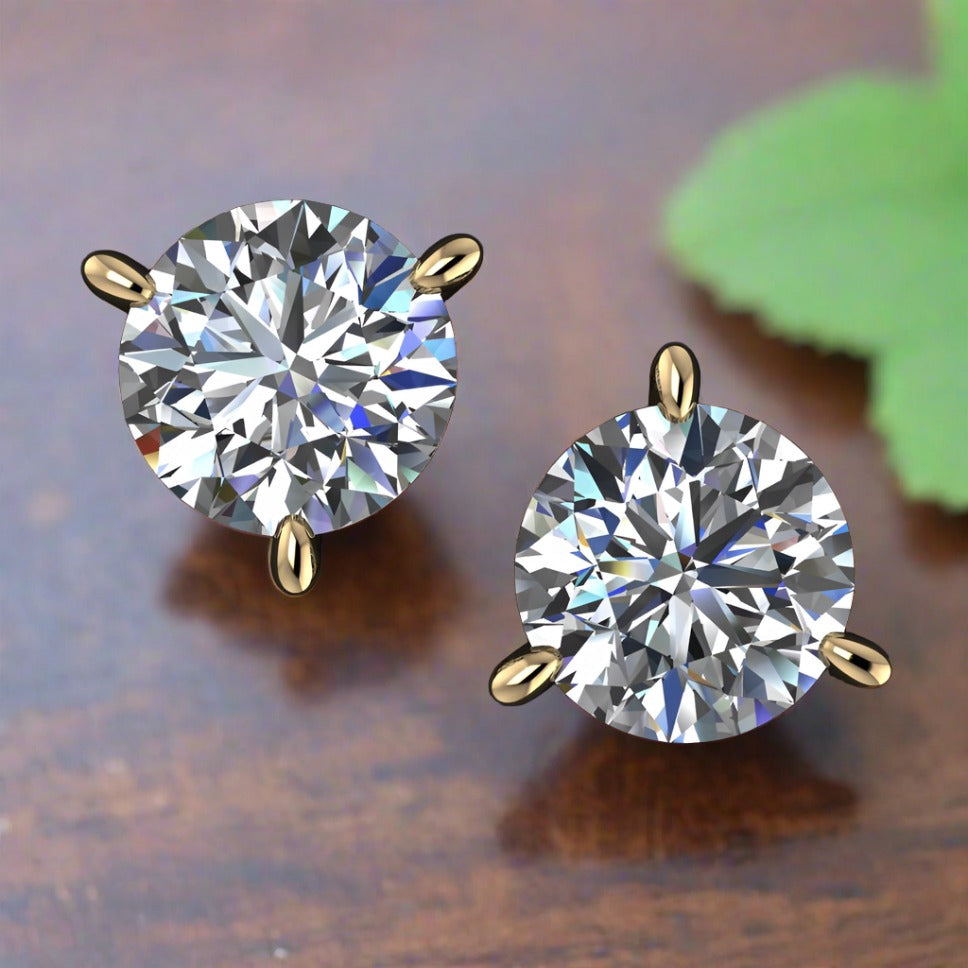
Even if they come from different places, what matters most are traits like sparkle and weight. Take a lab-grown stone weighing one carat – when cut well and clear, it looks just like an earth-mined version sitting beside it. To someone looking without tools, there is no telling them apart.
Loose Lab Grown Diamonds Explained
Most people pick loose lab made diamonds rather than ready-made jewelry. Not set in a ring or pendant, these stones stand on their own. Buying this way opens up more options as you go. Look at the gem by itself before deciding what kind of mount suits it best. One reason it helps? Clearer views on how quality matches up with cost. When building your own engagement ring – or reworking old jewelry – going with a loose gem often makes sense. Here’s what comes with that choice:
- More control over quality selection
- Greater design flexibility
- Easier price comparison
- Ability to customize jewelry settings
Lab Grown Diamonds How They Are Made
Few ways exist for lab grown diamonds, yet only two stand out as most common. One relies on intense heat and pressure to mimic nature’s process. The other uses a gas mixture exposed to energy until crystals form. Each path reaches the same result through very different means.
High Pressure High Temperature
Deep underground, extreme heat and crushing weight shape what happens next. When carbon sits under that stress long enough, a diamond begins to grow.
Chemical Vapor Deposition CVD
Inside a sealed space, gas full of carbon gets used. Slowly, carbon sticks to a tiny diamond piece until a complete gem forms. Either way creates real diamonds. How it is made does not mean better or worse. What matters most is what the lab says about clarity, color, cut – and how the stone looks in light.
Assessing Diamond Quality
Beauty in a stone goes beyond how big it looks.
Cut Quality
Light moves differently depending on a diamond’s shape. When shaped just right, the stone shines stronger, feels more alive. Some people who study gems say this shaping matters most – it controls how much the gem dances with light.
Color Grade
Most people look at how little color a diamond has when they grade it. Those that are almost without tint usually cost more. To plenty of shoppers, stones just shy of perfect still seem bright enough. Value often leans toward these subtle middle-ground choices.
Clarity Grade
Inside a gem, tiny features hide – some seen only when enlarged. These hidden spots or lines show up under tools that make small things look bigger.
Carat Weight
A single carat tells you about heft, not how big it looks. Depending on the way a diamond is shaped, two stones weighing exactly the same can still look nothing alike.
Costs Versus Value
Pricing often guides people toward lab grown stones. Usually, man-made gems come with smaller price tags compared to natural ones of matching traits. That shift in cost opens doors – more carats or better clarity become possible without stretching the wallet. Picture someone eyeing a one-carat earth-mined stone; their money might buy a noticeably bigger or cleaner version if they choose synthetic. Choices change when value stretches further. What matters most? Looking past cost to what actually counts. Cheaper isn’t smarter when flaws hide beneath the surface. Value fades fast if sparkle dims or shape wobbles off center.
Choosing the Right Shape
How a diamond looks ties closely to its cut. Round faces shine bright under light. Oval cuts stretch the finger visually. Princess styles bring sharp elegance. Emerald forms offer sleek lines. Pear shapes mix round and pointy edges. Heart versions speak of bold choices. Marquise delivers vintage flair
- Round
- Oval
- Princess
- Cushion
- Emerald
- Pear
- Radiant
Most people still pick round diamonds – they handle light really well. Bigger-looking fingers often come from oval or pear styles instead. When it comes to sharpness and straight edges, emerald cuts take center stage sometimes. Pick what speaks to you, not what everyone else is doing right now.
Why Certification Matters
Most folks check a diamond’s grade before buying lab made stones. It matters because experts study each gem closely. Their findings show up on paper, clear and detailed. When you see that report, trust grows easier. Facts about cut, color sit there, waiting. Every detail gets recorded by trained eyes. Buying feels different once proof exists. That piece of paper? It speaks louder than promises ever could
- Authenticity
- Quality grades
- Measurements
- Identification information
Looking at these details helps tell diamonds apart without just trusting how they’re described. Instead of guessing, numbers give a clearer picture. Seeing things laid out makes choices easier later on.
What to Consider Before Purchasing
Start by slowing down when you’re close to buying something. Questions pop up once you begin digging into details
- The grading laboratory
- The cut grade
- The return policy
- Available images and videos
- The diamond growth method
Beyond just talking, a trustworthy seller shows proof when asked questions. Details come through papers that back up what they say.
Custom Jewelry Opportunities
Starting with a loose lab diamond opens doors to unique pieces. Picking the stone ahead lets you pair it with a design fitting how you live, what you like, or how much you plan to spend. People often make rings, pendants, or earrings this way
- Engagement rings
- Wedding bands
- Pendants
- Earrings
- Anniversary gifts
Most times, this way leads to something tailored just for you, yet still keeps the outcome firmly in your hands. A personal touch shows up easier when you steer each step yourself.
Frequently Asked Questions
Are lab grown diamonds real diamonds?
True. Identical makeup, just like natural ones when it comes to structure and traits – lab stones match them fully.
Do loose lab grown diamonds come with certification?
A handful of trusted vendors include third-party assessments to confirm both genuineness and standard. Some will slip in verification details straight from labs not tied to their business. A few offer proof sheets made by analysts who never met the seller. You’ll find certain shops attach documents crafted far from any sales pressure.
Most folks can’t spot what sets mined diamonds apart from those made in labs.
Most folks need special tools to tell them apart just by looking. A regular person might guess wrong without help from gear made for the task. Looks can fool you when there is no device around to check closely. Telling one from the other isn’t possible by eye if you lack the right instrument.