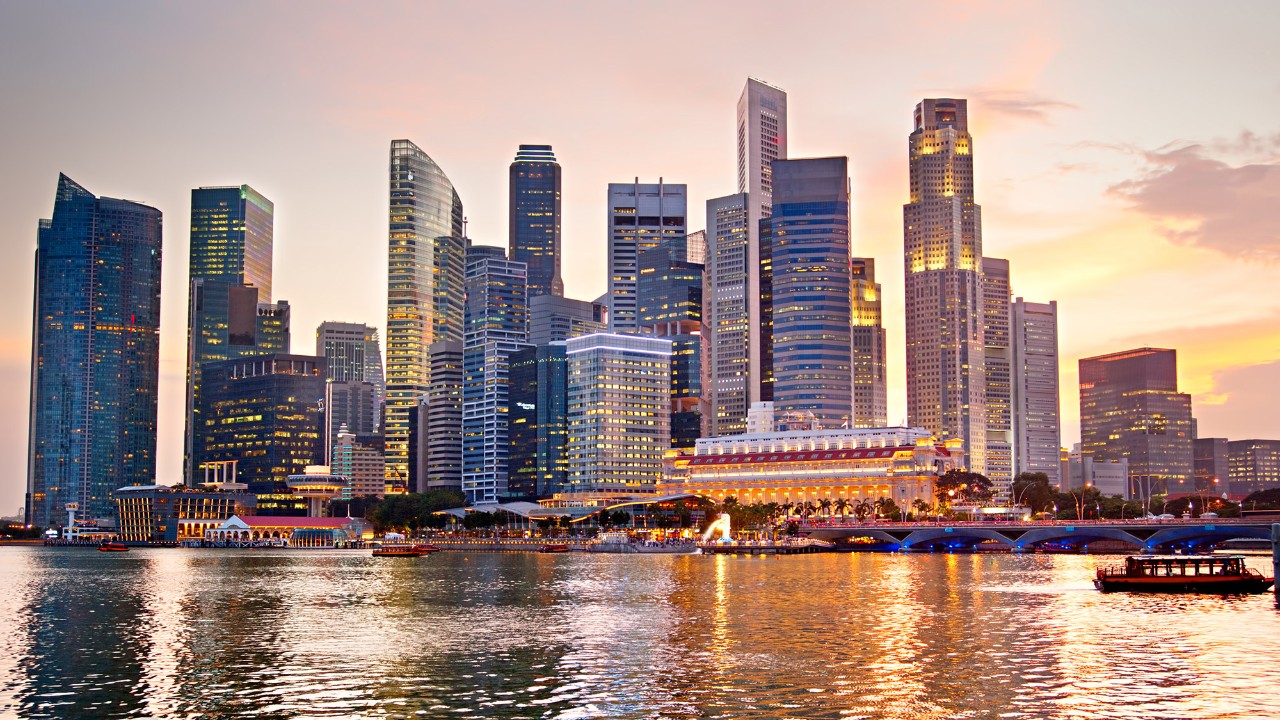
Singapore’s urban landscape is evolving as decentralised planning gains prominence. By distributing residential, commercial, and recreational hubs beyond traditional city centers, the city-state creates communities that combine accessibility, convenience, and lifestyle flexibility. Developments such as Hudson Place Residences and Dunearn House illustrate how residents can benefit from decentralised living while maintaining connectivity, comfort, and long-term value.
Table of Contents
The Concept of Decentralised Urban Planning
Decentralisation in urban planning refers to the development of self-sufficient neighborhoods outside the main central business district. These areas often include residential spaces, retail, educational institutions, and recreational facilities, reducing dependence on a single urban hub.
Dunearn House is situated in a mature yet increasingly dynamic area that benefits from decentralisation. Residents enjoy proximity to essential services, schools, and green spaces while avoiding the congestion of central districts. The balance of accessibility and local amenities enhances both daily convenience and quality of life.
Hudson Place Residences, strategically positioned near emerging commercial and lifestyle hubs, exemplifies how decentralised planning can support flexible urban living. Residents can work, relax, and socialize within or near their community, reducing commute times and improving work-life balance.
Lifestyle Flexibility Through Local Amenities
Decentralised planning emphasizes lifestyle convenience. Properties located in such hubs integrate amenities that cater to diverse resident needs, including shopping, dining, fitness, and entertainment options.
At Hudson Place Residences, landscaped gardens, communal lounges, and retail spaces contribute to a flexible, convenient lifestyle. Residents can access leisure facilities or work remotely without leaving the vicinity, aligning modern living with lifestyle efficiency.
Dunearn House complements this model with its proximity to schools, parks, and local dining options. Families benefit from convenient daily routines, while professionals enjoy spaces suitable for remote work or community interaction. The integration of local amenities into daily life enhances resident satisfaction and overall property appeal.
Connectivity and Commuting Efficiency
While decentralised areas provide local amenities, connectivity remains a key consideration. Efficient transport options ensure that residents can access the city center or other districts as needed.
Hudson Place Residences offers strong connectivity through nearby MRT stations and major roadways. This accessibility allows residents to balance local convenience with city access, enhancing lifestyle flexibility and property value.
Similarly, Dunearn House benefits from well-planned transport links that connect it to central hubs while maintaining the tranquility of a suburban environment. The combination of connectivity and decentralisation enables residents to enjoy a versatile urban lifestyle.
Investment Perspective in Decentralised Hubs
Decentralised residential hubs present compelling opportunities for long-term investment. As Singapore develops more self-sufficient neighborhoods, properties like Hudson Place Residences and Dunearn House are likely to see sustained demand due to their blend of accessibility, lifestyle amenities, and community features.
Investors benefit from the stability offered by areas that combine residential, commercial, and recreational functions. The presence of schools, offices, and leisure facilities within or near these developments ensures a diverse tenant base and consistent rental demand.
Future-Proofing Residential Living
Decentralised urban planning aligns with the concept of future-ready living. Properties designed to support lifestyle flexibility, local engagement, and connectivity are better positioned to adapt to evolving demographic and work trends.
Hudson Place Residences anticipates residents’ needs by providing spaces for co-working, social engagement, and recreation, while remaining connected to broader urban networks.
Dunearn House integrates community-centric features with proximity to essential services, ensuring that it remains relevant as lifestyle and commuting patterns evolve. These developments demonstrate that decentralisation can enhance both livability and long-term property value.
Conclusion
Decentralised urban planning is reshaping how Singaporeans live, work, and interact with their neighborhoods. Hudson Place Residences and Dunearn House exemplify the benefits of this approach by offering flexible, amenity-rich living environments that balance connectivity, convenience, and community engagement.
By integrating lifestyle amenities, local services, and efficient transport links, decentralised residential hubs provide residents with the flexibility to adapt to modern urban demands. For homeowners and investors alike, properties in these areas offer a combination of convenience, quality of life, and sustainable market appeal—demonstrating the future of urban living in Singapore.